
 CBD Seeds
 For Farmers
 For Retailers
 For Seed Banks
 About our Seeds
Growing Cannabis: Tips & Tricks
How to Grow CBD Hemp in a Greenhouse: A Complete Guide
Apr
How to Grow CBD Hemp in a Greenhouse?
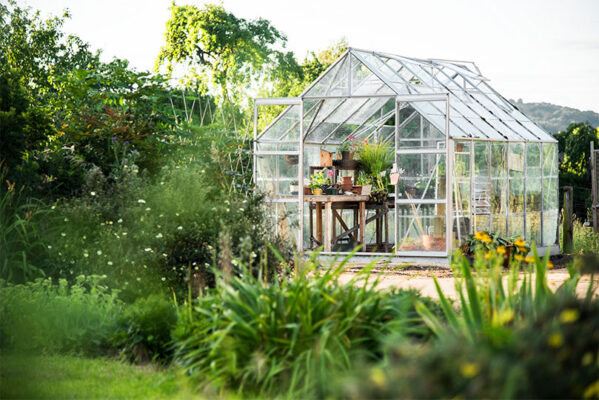
Growing CBD in greenhouse environments is becoming an increasingly popular method for cultivating high-quality CBD hemp. This controlled approach combines the natural benefits of sunlight with the stability of indoor farming, resulting in potent, healthy, and sustainable CBD strains.
If you’ve already explored growing CBD flower at home in our previous post, you’ll find that greenhouse cultivation offers a unique middle ground between indoor and outdoor growing methods. In this article, we’ll dive deeper into the advantages of greenhouse farming and share expert tips for maximizing your yield.
Why Grow CBD Hemp in a Greenhouse?
Greenhouses provide the ideal middle ground between outdoor and indoor cultivation. Here are the key benefits:
- Extended growing season: Greenhouses protect plants from harsh weather, allowing for year-round or extended seasonal growth.
- Natural sunlight: Unlike indoor grows, greenhouses harness the power of the sun – cutting energy costs and enhancing terpene and cannabinoid profiles.
- Climate control: Temperature, humidity, and ventilation can be fine-tuned, which reduces the risk of pests, mold, and other plant stressors.
- Privacy and security: Growing CBD hemp in a greenhouse provides an added layer of discretion and safety. This is especially important for small-scale or licensed growers who want to limit exposure to theft or public attention.
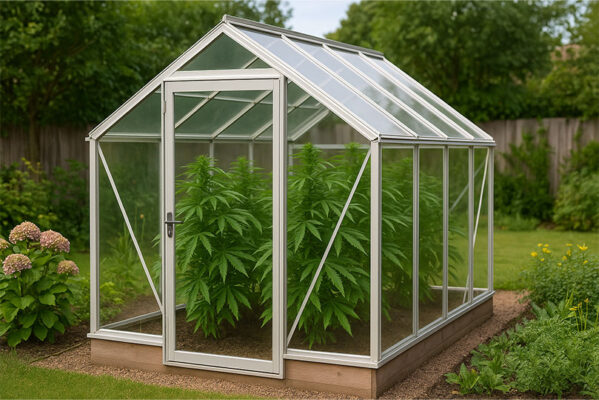
Choosing the Right CBD Seeds for Greenhouse Cultivation
Not all CBD seeds are equal when it comes to greenhouse growing. To ensure a successful grow, look for CBD strains that are:
- High in CBD content with low THC levels (under 0.3% to meet legal standards).
- Resilient to humidity and mold, which are common challenges in enclosed environments.
- Compact or moderate in size, making canopy management and airflow easier in limited space.
Opt for feminized CBD seeds to eliminate the risk of male plants, which can pollinate your crop and reduce overall CBD production. Some popular and greenhouse-friendly options include:
- CBD Lemon Haze: This strain benefits from greenhouse cultivation, where you can optimize its high yield potential. In addition, its energizing effects and citrusy notes thrive in controlled conditions, with optimal light exposure and temperature regulation.
- CBD OG Kush: A reliable strain for greenhouse growing, CBD OG Kush benefits from stable environmental conditions that promote robust yields. Its compact size and resilience make it ideal for managing in controlled settings, ensuring healthy plants throughout the growing cycle.
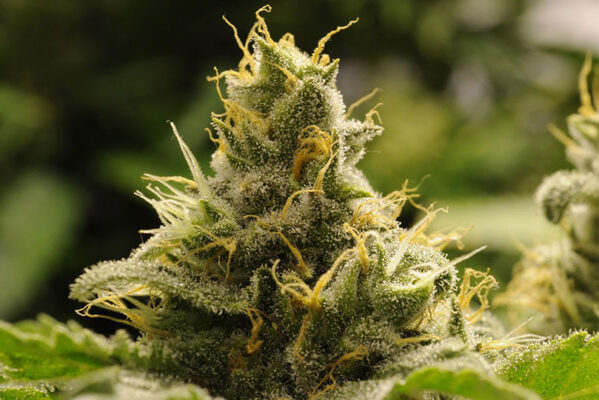
Greenhouse Setup Essentials for CBD Hemp
To successfully grow CBD hemp seeds in a greenhouse, make sure your setup includes:
1. Temperature & Humidity Control
Maintaining consistent environmental conditions is essential for healthy CBD hemp growth in a greenhouse. Sudden fluctuations in temperature or humidity can stress your plants and reduce cannabinoid production.
- Optimal temperature: 20-30°C (68-86°F) during the day. Slightly cooler temperatures at night are acceptable, but avoid sharp drops.
- Humidity levels: Aim for 50-70% relative humidity during the vegetative phase. As flowering begins, gradually reduce humidity to 40-50% to prevent mold and mildew.
Use climate sensors to monitor real-time conditions, and adjust your ventilation, heating, or cooling systems accordingly. Fans and vents help regulate airflow and temperature, while heaters are useful during colder months or nights.
During flowering, a dehumidifier may be necessary to maintain lower humidity and protect dense buds from rot. Consider automating your environmental controls for precision and ease, especially if you’re managing multiple plants or running year-round greenhouse cycles.
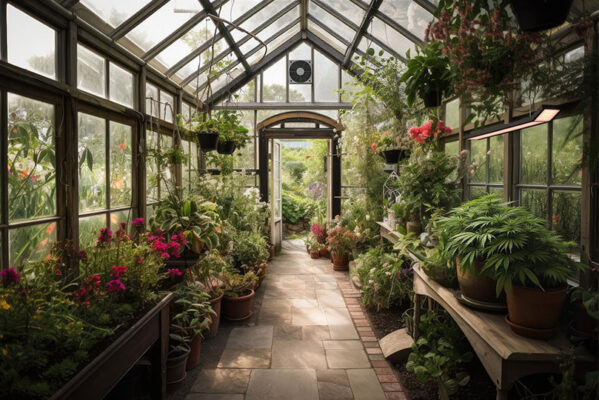
2. Lighting
Greenhouses rely on sunlight, but supplemental lighting (LED or HPS) can help during cloudy days or in winter. Supplemental lighting also ensures plants receive a consistent 18+ hours of light during the vegetative phase and 12 hours during flowering. Timers help automate light cycles, reducing labor.
3. Ventilation
Stale air and trapped humidity can lead to mold or powdery mildew – two common threats to greenhouse-grown hemp. Install intake and exhaust fans, and keep air moving with oscillating fans to prevent fungal diseases and promote plant vigor.
4. Soil and Nutrients
Use high-quality, well-draining soil. Feed with organic or balanced nutrients rich in nitrogen (veg phase) and phosphorus/potassium (flowering).
5. Pest Management
Even in greenhouses, pests like spider mites and aphids can appear. Integrated Pest Management (IPM) is the best strategy. Combine physical barriers (mesh screens), biological controls (beneficial insects), and organic sprays to keep your plants clean and thriving.
Best Practices for Growing CBD Hemp in a Greenhouse
- Train your plants: Techniques such as topping, LST (low-stress training), and SCROG help manage plant height and increase yields.
- Monitor cannabinoid levels: Lab testing is essential to ensure THC remains below legal limits.
- Harvest at the right time: Watch trichome color and bud density. Most CBD strains are ready 8-10 weeks after flowering begins.
Additionally, don’t overlook the post-harvest processing. After cutting your plants, hang them in a cool, dark, and dry area with gentle airflow. Proper curing improves taste, aroma, and cannabinoid content.
Common Mistakes to Avoid
- Poor ventilation that leads to mold issues.
- Neglecting legal compliance – Regular THC testing is crucial.
- Overfeeding – CBD hemp can be sensitive to nutrient burn.
Growing CBD in greenhouse environments offers a sustainable and high-quality solution for cultivating CBD-rich hemp. With the right setup, seed choice, and care, growers can enjoy excellent yields, consistent cannabinoid levels, and healthier plants.
If you’re ready to start your greenhouse journey, check out our full selection of premium CBD seeds and CBG strains at GeneticsMaster.eu.

 Questions?
 Cannabis World
 Track your order
 Terms & Conditions
 My account