
 CBD Seeds
 For Farmers
 For Retailers
 For Seed Banks
 About our Seeds
Cannabis Insights
What is CBG? Benefits and Effects of Cannabigerol
Apr
If you’ve ever wondered what is CBG, you’re not alone! Cannabigerol (CBG) is gaining serious attention in the cannabis world, and for good reason.
What is CBG?
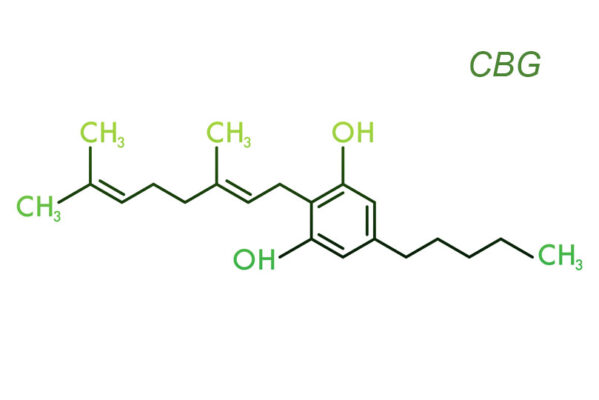
CBG, short for Cannabigerol, is one of over 100 cannabinoids found in the cannabis plant. While most people are familiar with CBD and THC, CBG is the lesser-known non-psychoactive compound, often called the “mother of all cannabinoids”. It plays a crucial role in the plant’s development because it’s the first cannabinoid to appear in young hemp plants. As the plant matures, most of that CBG gets converted into other cannabinoids, like CBD, THC, and CBC.
That’s why naturally occurring CBG is usually found in low concentrations – less than 1% in most traditional strains. But with the growing interest in CBG benefits, breeders have started creating strains with higher CBG levels, which you can now find as CBG seeds for home growing.
What is Cannabigerolic Acid (CBGA)?
Let’s take a quick step back in the plant’s life cycle. Before CBG even forms, there’s Cannabigerolic Acid (CBGA). This is the “mother acid” of the cannabis plant and the original compound from which all major cannabinoids are created.
CBGA is the raw, unheated form of CBG. When the plant is exposed to heat or light (like when smoking, vaping, or processing into oil), CBGA transforms into CBG – and also into the precursors of CBD, THC, and CBC. So without CBGA, you wouldn’t have any of the cannabinoids we value today.
Why does this matter? Because it shows just how foundational CBG is in the entire cannabis ecosystem. It’s the cannabinoid at the very beginning of the chain reaction, and now it’s finally getting the spotlight it deserves.
CBG Effects: What Does It Do?
Unlike THC, CBG (Cannabigerol) won’t get you high. Instead, it works behind the scenes by interacting with your body’s endocannabinoid system (ECS), particularly the CB1 and CB2 receptors. These interactions may promote balance and homeostasis in areas such as mood, sleep, appetite, pain, and inflammation.
People who use CBG report a variety of subtle but beneficial effects, such as:
- Improved focus and mental clarity – Some users say it gives them a gentle lift in concentration without feeling jittery.
- Reduced anxiety and stress – Like CBD, CBG may help balance your mood and reduce anxiety without sedation.
- Neuroprotective properties – There’s growing interest in using CBG to support brain health and protect nerve cells.
- Pain and inflammation relief – Early studies suggest CBG could be particularly effective in calming inflammation, especially in the gut.

It’s important to note that research is still in early stages, but initial findings are promising and show potential for a wide range of wellness applications. These effects make CBG appealing to people looking for a natural, non-intoxicating wellness boost.
CBG Benefits: What is CBG good for?
So, why are more people turning to CBG? Because it offers targeted benefits that complement or even go beyond what CBD can offer. Here are some of the most talked-about benefits of CBG (Cannabigerol):
- Anti-inflammatory: Potential relief for conditions like inflammatory bowel disease (IBD) or arthritis.
- Antibacterial: Some studies have shown CBG to be effective against drug-resistant bacteria such as MRSA. IT could therefore be a potential game-changer in modern medicine.
- Glaucoma support: CBG may reduce intraocular pressure, making it a candidate for supporting eye health.
- Appetite stimulation: Unlike CBD, CBG appears to naturally stimulate appetite, which can be beneficial for those undergoing treatments that suppress hunger.
- Mood balance: Its uplifting and focusing effects make it ideal for daytime use, especially for those managing mild anxiety or lack of motivation.
- Digestive Health: People with conditions like IBS or Crohn’s disease are exploring CBG for its gut-calming potential.

And if you’re interested in growing your own CBG-rich plants, our high-quality CBG seeds are the perfect place to start. Be sure to check out our detailed guides on growing CBG cannabis outdoors and growing CBG-rich cannabis indoors, so you can choose the best method for your space and needs.
Uses of CBG: Who Should Consider It?
Whether you’re looking for increased mental clarity, inflammation relief, or support for mood balance, CBG uses are becoming more diverse as consumer interest grows. It’s especially popular among those seeking the benefits of cannabis without the psychoactive effects of THC.
CBG is available in various forms such as CBG seeds, oils, capsules, gummies, topicals, and of course, CBG flower or CBG-rich strains grown from seed.
Here’s who might especially benefit from CBG:
- Professionals who need better focus without the crash of caffeine
- Athletes seeking natural recovery support and reduced inflammation
- Individuals with sensitive digestion or autoimmune concerns
- Anyone curious about cannabis wellness but not interested in THC
CBG is also great for combining with CBD to create a more balanced effect, often called the “entourage effect,” where different cannabinoids work together for greater impact.

CBG Side Effects: What to Know?
So far, CBG appears to be well-tolerated by most people, with very few reported side effects. That said, everyone reacts differently to cannabinoids. Some users may experience:
- Mild dry mouth
- Temporary drop in blood pressure (rare)
- Slight drowsiness (at higher doses)
- Changes in appetite
Always start with a small dose to see how your body responds, especially if you’re new to cannabinoids. And if you’re on medication or have a medical condition, it’s wise to consult your doctor before trying CBG.
Cannabigerol is no longer just the hidden star behind CBD and THC, it’s stepping into the spotlight as a powerful cannabinoid in its own right. From sharper focus to digestive support, CBG benefits are attracting users who want a natural, THC-free wellness tool.
Whether you’re curious to try CBG oil or grow your own CBG strains at home, now’s a great time to explore this fascinating compound.

 Questions?
 Cannabis World
 Track your order
 Terms & Conditions
 My account