
 CBD Seeds
 For Farmers
 For Retailers
 For Seed Banks
 About our Seeds
Cannabis Insights
CBG vs CBD: What’s the Difference and Which is Better?

Apr
CBD vs CBG: What’s the Difference and Which is Better? That’s a question more and more people are asking as these two powerful cannabinoids grow in popularity.
CBG and CBD are non-psychoactive compounds derived from the cannabis plant, offering a wide range of therapeutic benefits without the high associated with THC. But while they share some similarities, they also have key differences that make each one unique in its effects, applications, and potential health benefits.
In this post, we’ll explore everything you need to know about CBG and CBD: what they are, how they work, their benefits, and how to choose the right one for your needs.
What Is CBD?
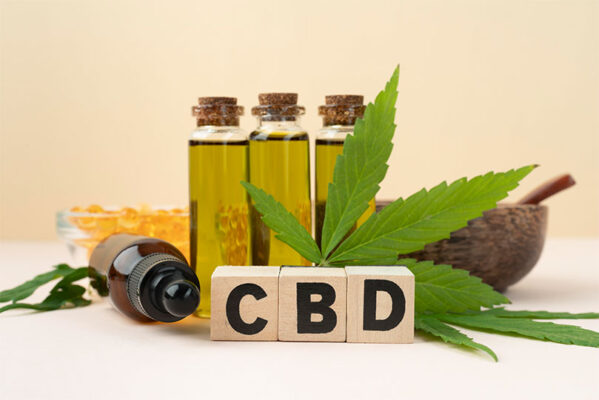
CBD (Cannabidiol) is one of the most well-known cannabinoids found in hemp and cannabis plants. It gained mainstream popularity thanks to its non-intoxicating nature and powerful potential benefits – from reducing anxiety to alleviating chronic pain and inflammation.
How CBD Works
CBD interacts with the body’s endocannabinoid system (ECS), which plays a crucial role in regulating mood, sleep, pain perception, immune response, and more. Rather than binding directly to cannabinoid receptors (like THC does), CBD modulates receptor activity and helps increase levels of naturally occurring endocannabinoids, promoting balance (homeostasis) in the body.
What Is CBG?
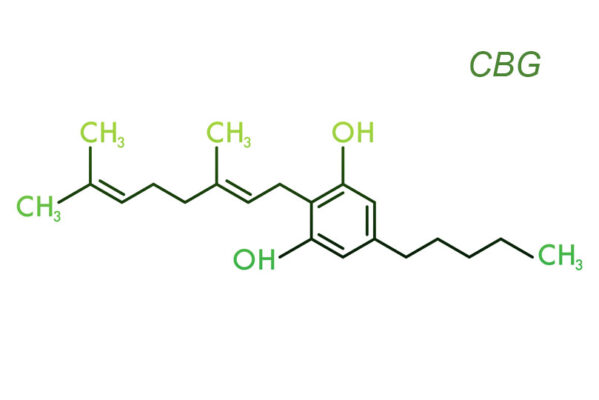
CBG (Cannabigerol) is often called the “mother of all cannabinoids” because it’s the precursor from which other cannabinoids like CBD and THC are synthesized. In young cannabis plants, CBG is present as CBGA (cannabigerolic acid), which breaks down into other cannabinoids as the plant matures.
Because most CBG converts into other compounds over time, CBG is naturally present in much lower concentrations – typically less than 1% in most strains. However, with advances in cultivation, specialized CBG strains are now available that offer higher levels of this unique cannabinoid. Don’t miss our detailed article on what CBG is, its benefits and effects.
How CBG Works
Unlike CBD, CBG binds directly to both CB1 and CB2 receptors in the ECS. This gives it more direct physiological effects, especially on things like mood, pain, and appetite. It also interacts with other receptor systems, such as those involved in serotonin regulation.
CBG vs CBD: Key Differences
While both CBG and CBD are non-psychoactive cannabinoids derived from the hemp plant, they differ significantly in how they interact with the body, how they’re produced, and the effects they offer. Here are the main distinctions:
Origin in the Plant:
- CBG is often referred to as the “mother cannabinoid” because it’s the precursor from which other cannabinoids like CBD and THC are formed.
- In its early stages, the cannabis plant produces CBGA (cannabigerolic acid), which then converts into other cannabinoid acids as the plant matures.
- As a result, CBG is typically present in much smaller quantities – often less than 1% in most strains – whereas CBD is naturally more abundant in mature hemp plants.
Interaction with the Endocannabinoid System (ECS) in the Human Body:
- CBG binds directly to both CB1 and CB2 receptors, giving it more direct influence over functions like mood regulation, appetite, and pain perception.
- Unlike CBG, CBD doesn’t bind directly to cannabinoid receptors; instead, it modulates receptor activity and boosts natural endocannabinoid levels. This indirect approach helps promote balance across various physiological systems.
Psychoactive Effects and Sensation:
- Neither CBD nor CBG will get you high.
- CBD is widely known for its calming, anti-anxiety properties, helping with stress, inflammation, sleep disorders, and chronic pain.
- CBG tends to have a more uplifting, energizing effect, supporting mental clarity, alertness, and even motivation, making it ideal for daytime use.
Impact on Appetite:
- CBD has been shown to suppress appetite in some users.
- CBG appears to stimulate appetite, which could be beneficial for individuals dealing with weight loss due to illness or treatments like chemotherapy.

Medical Research and Therapeutic Potential:
- CBD is widely studied and approved in pharmaceutical forms, such as Epidiolex for epilepsy.
- CBG is newer on the scene, but early research shows strong potential, especially in areas like neuroprotection, antibacterial properties, and digestive health.
Product Availability:
- CBD products are widely available in many forms: oils, edibles, topicals, capsules, and various strains.
- CBG is still emerging, but thanks to innovation in cannabis breeding, CBG strains and seeds are becoming more accessible for growers and consumers alike.
Similarities Between CBG and CBD
Despite their differences, CBG and CBD share many traits, including:
- Non-psychoactive: Neither will get you high.
- Derived from hemp: Both are legal when extracted from industrial hemp (<0.3% THC).
- Therapeutic potential: Both show promise in treating pain, inflammation, anxiety, and neurodegenerative diseases.
- Minimal side effects: Well-tolerated by most users, with mild and rare side effects.
- Synergistic effects: When used together, they may enhance each other’s benefits through the entourage effect.
Benefits of CBD
CBD is widely researched and used for:
- Chronic pain relief
- Anxiety and depression
- Epilepsy and seizures (e.g., Epidiolex)
- Inflammation and autoimmune conditions
- Sleep disorders
- Skin conditions (like acne and psoriasis)
Its calming and balancing nature makes it a go-to for users seeking stress relief without drowsiness or impairment.
Benefits of CBG
Although research on CBG is still in its early stages, preliminary findings and anecdotal reports highlight benefits such as:
- Neuroprotection: CBG may protect neurons from degeneration, making it promising for Parkinson’s and Huntington’s disease.
- Glaucoma treatment: Shown to reduce intraocular pressure.
- Appetite stimulation: Ideal for patients experiencing appetite loss.
- Antibacterial: Potent against MRSA and other resistant bacteria.
- Bladder and bowel regulation: Potential for treating IBS and bladder dysfunction.
- Mood and focus: Many users report a sense of clarity and mental energy.

How to Use CBG and CBD?
Both cannabinoids are available in a range of convenient forms.
CBD Products:
- CBD oil/tinctures: Fast-acting and versatile.
- CBD capsules/softgels: Pre-measured doses for consistent results.
- CBD topicals: Creams, balms, and patches for localized relief.
- CBD edibles: Gummies and snacks that offer a tasty delivery method.
- CBD flower/seeds: Grown and consumed in natural form.
CBG Products:
- CBG oil/tinctures: Best for targeted use and dosage control.
- CBG isolate powder: Pure CBG, ideal for mixing with other products.
- CBG-rich flower/seeds: Great for those who prefer a natural and customizable experience.
- CBG blends: Often combined with CBD for a balanced effect.
Which One Should You Choose?
Choosing between CBG vs CBD depends on your personal needs and goals.
✅ For Stress & Anxiety:
CBD may be more effective due to its calming and mood-stabilizing properties.
✅ For Focus & Energy:
CBG shines here, offering a clearer head and sharper focus, ideal for daytime use.
✅ For Inflammation & Pain:
Both cannabinoids have anti-inflammatory properties, but CBG is showing strong potential for localized inflammation, especially in the digestive system.
✅ For Appetite Stimulation:
CBG may be the better choice as studies show it increases appetite, unlike CBD which may suppress it slightly in some users.
Can You Use CBD and CBG Together?
Absolutely. Many users combine CBD and CBG to create a balanced entourage effect, where the compounds work synergistically for enhanced benefits. This combination can offer the calm of CBD with the alertness of CBG, without the high of THC.
The debate of CBG vs CBD should not be about which is better, it’s about understanding how each works and what fits your needs. With both cannabinoids offering powerful, non-psychoactive support for the body and mind, there’s never been a better time to explore their potential.
Ready to get started? Discover our premium selection of CBD seeds and CBG seeds for a personalized growing experience. And don’t miss our in-depth guides on growing CBD flower at home and cultivating CBG cannabis to ensure optimal results from seed to harvest.

 Questions?
 Cannabis World
 Track your order
 Terms & Conditions
 My account